This project is protected under a Non-Disclosure Agreement (NDA), so specific details and assets have been omitted. What follows is a high-level look at my approach, outlining the research, design thinking, and problem-solving methods that drove the project’s outcomes.
PTT app for RealWear Device
Moto Solutions
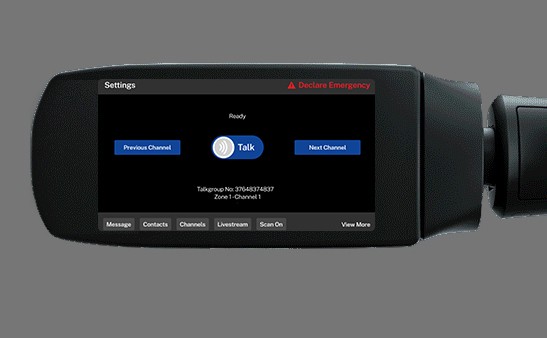
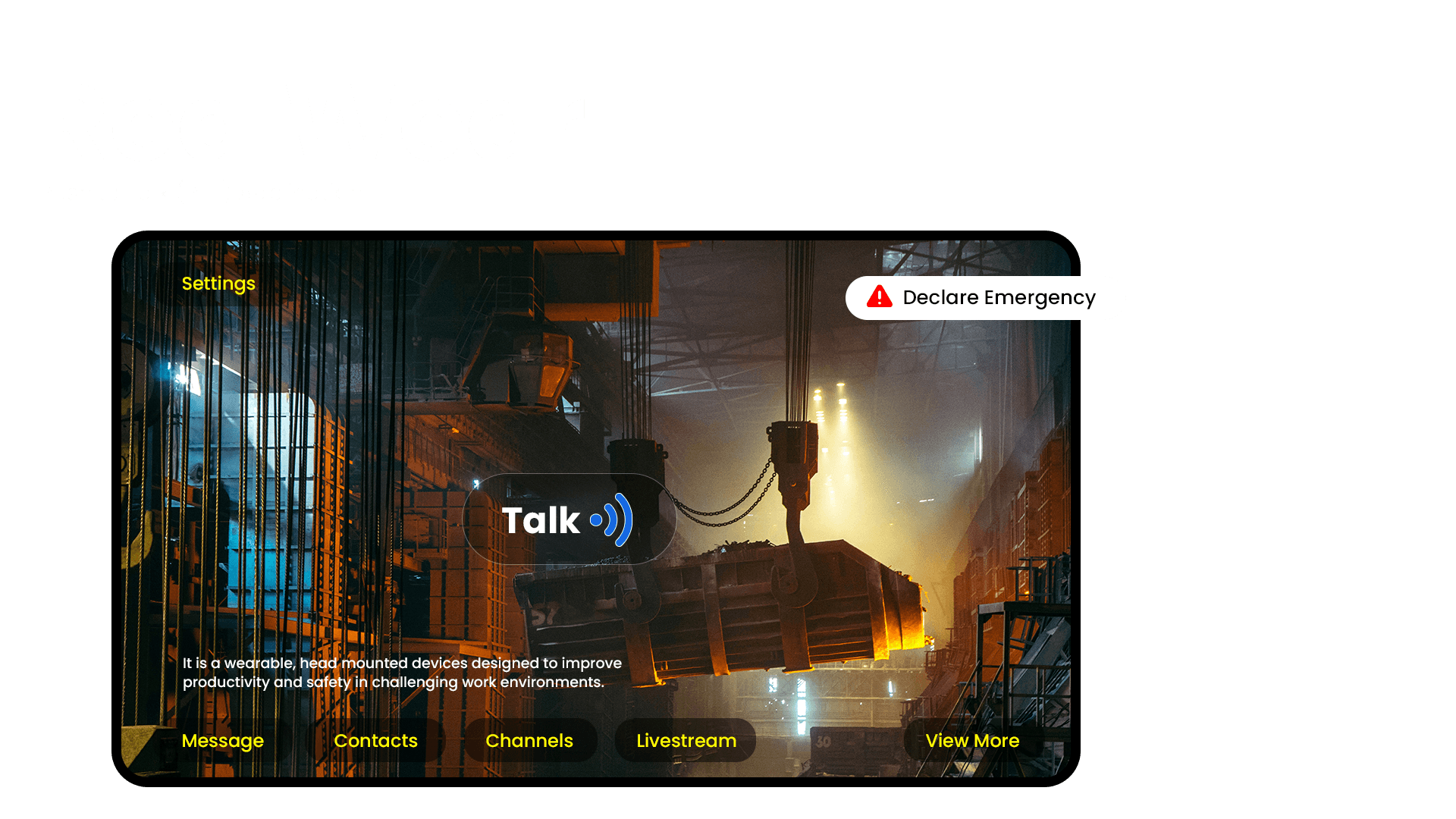
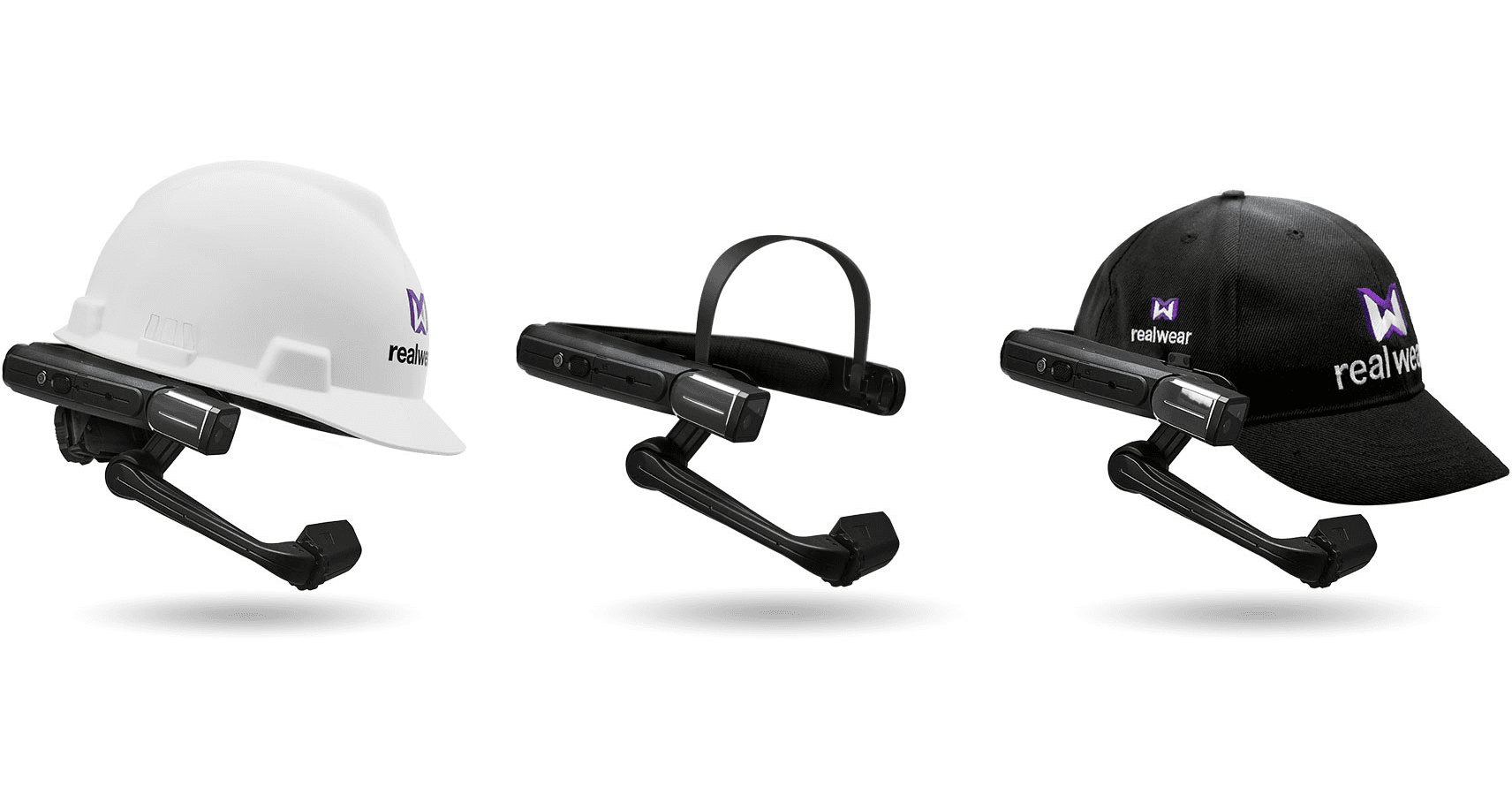
RealWear is a wearable, head-mounted devices designed to improve productivity and safety in challenging work environments. These devices are often referred to as wearable computers and are particularly suited for industries such as manufacturing, oil and gas, utilities, field services, and logistics
Overview
Redesigning the Push-to-Talk (PTT) app for the RealWear device was a challenging yet fulfilling experience, as it required adapting to the unique constraints of a hands free, voice command interface while ensuring the app met the high standards of usability, functionality, and efficiency demanded by its users
The process began with empathizing and research, where we conducted user interviews with field workers, including technicians and first responders. This step helped uncover pain points associated with the existing app, such as difficulties with voice commands and inefficiencies in hands-free navigation. Additionally, we analyzed user feedback to identify usability challenges and areas for improvement.
The Challenge
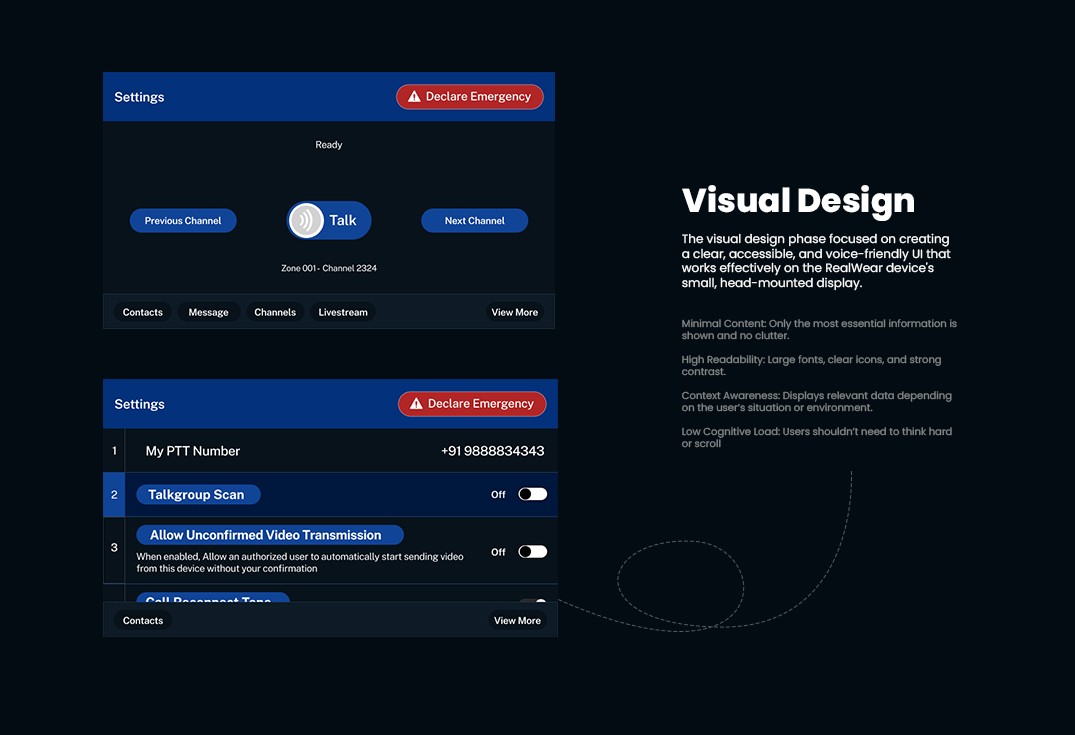
Designing for the RealWear device presented unique challenges, such as limited screen real estate, reliance on voice commands for navigation, and the need for robust functionality in hands free scenarios.
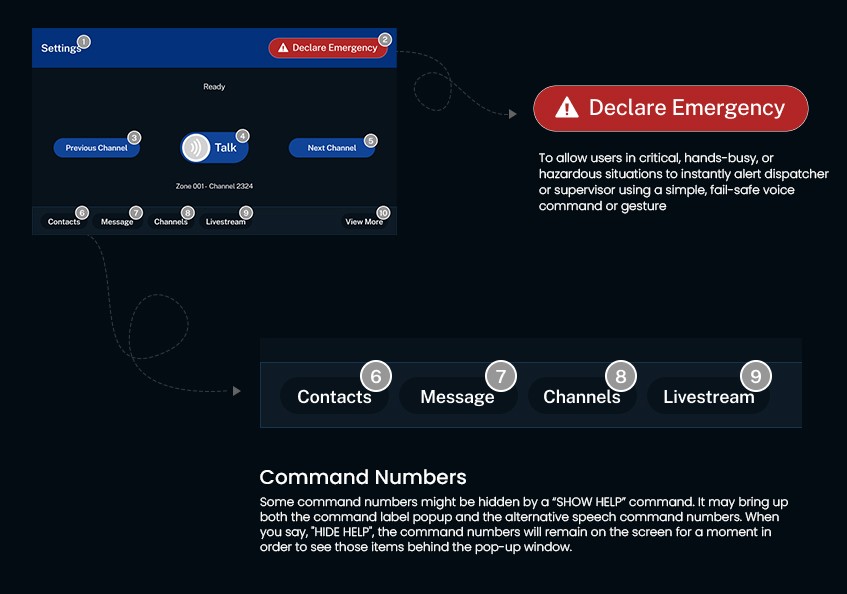
Main challenge was redesigning a clickable app to a voice interface app.
Business Goals
Streamline workflows and reduce task completion time, enabling field workers to focus more on their core responsibilities rather than struggling with technology.
Deliver a hands-free experience that minimizes distractions, allowing users to operate safely in hazardous environments
Planning the Approach & Navigation content
Card Sorting
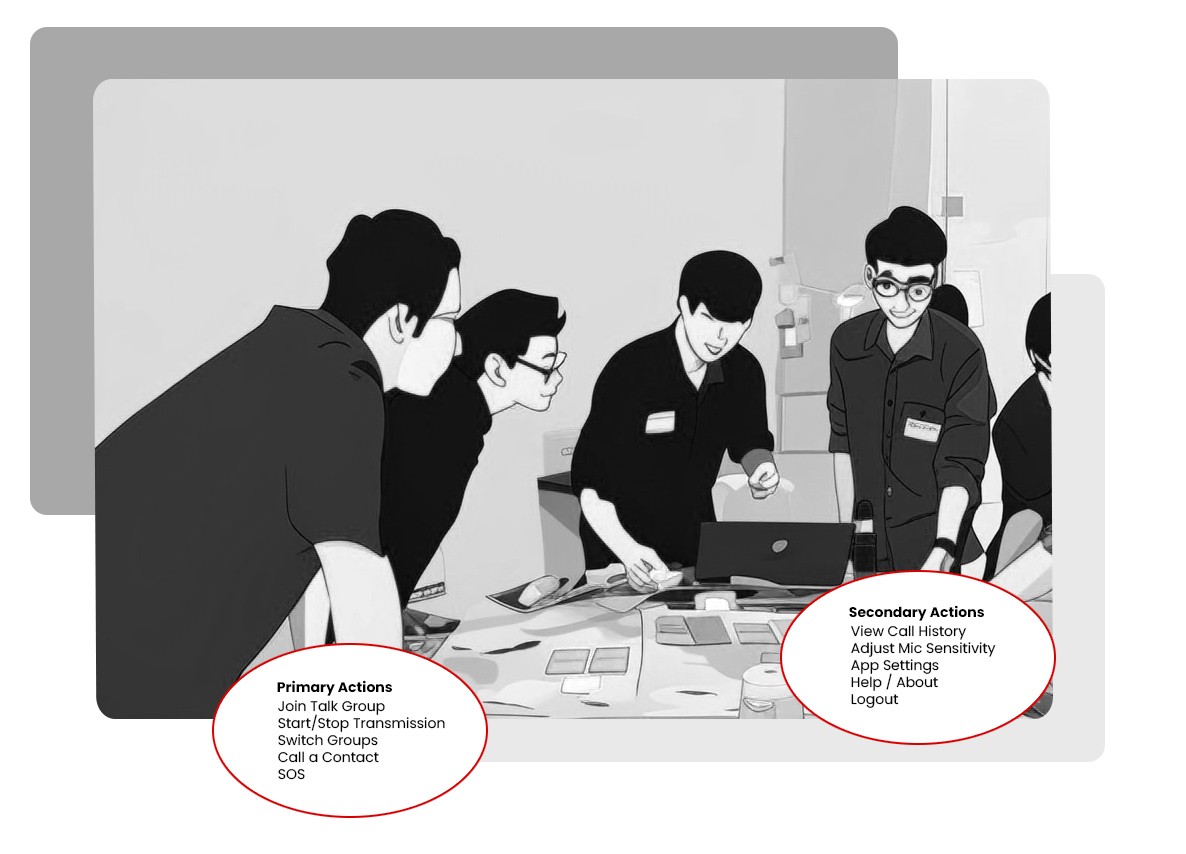
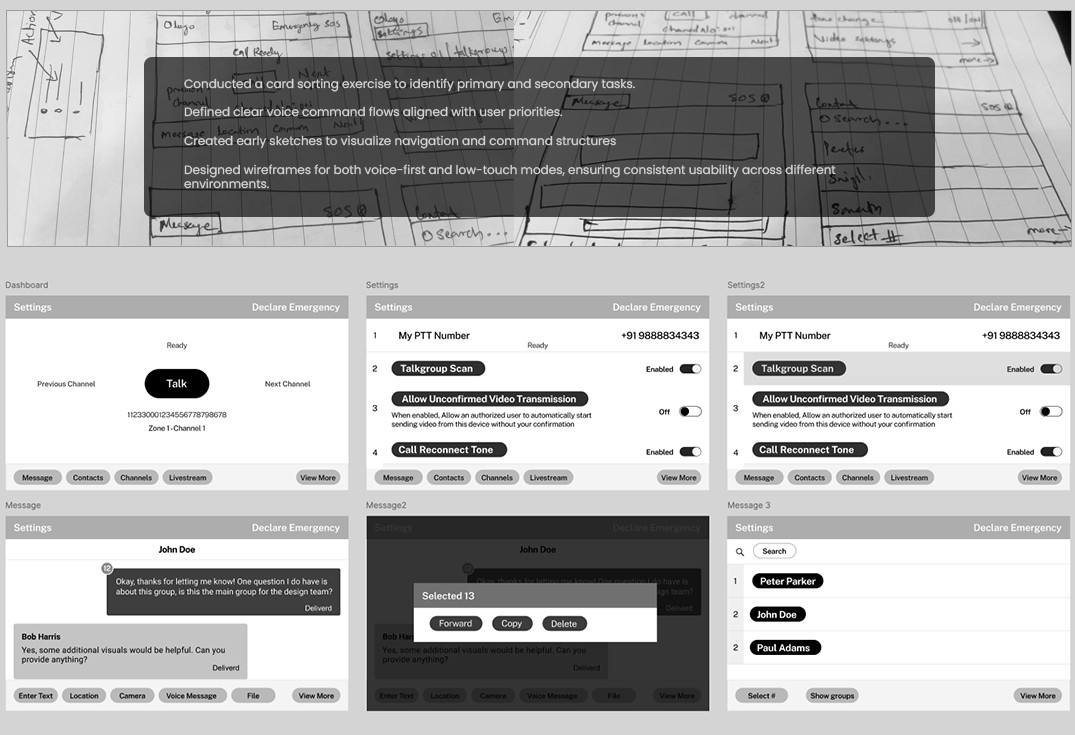
We conducted a card sorting exercise to identify and prioritize the primary and secondary actions within the Push-to-Talk (PTT) app. This helped us structure the interface around the most essential user tasks.
Based on these insights, we designed an interaction model that supports both clickable (touch-based) and voice-driven interfaces, ensuring flexibility across different usage scenarios.
This allows users to access key features, such as joining talk groups, initiating transmission, and switching channels either by tap or voice command, depending on the environment and user preference.
We prepared a set of cards representing all possible app features and actions
Participants sorted them into “Primary Actions” (frequent, urgent) and “Secondary Actions” (less frequent, non-critical).
Follow-up discussions revealed context-based preferences, such as the need for faster access to certain groups depending on the work scenario (emergency, maintenance)
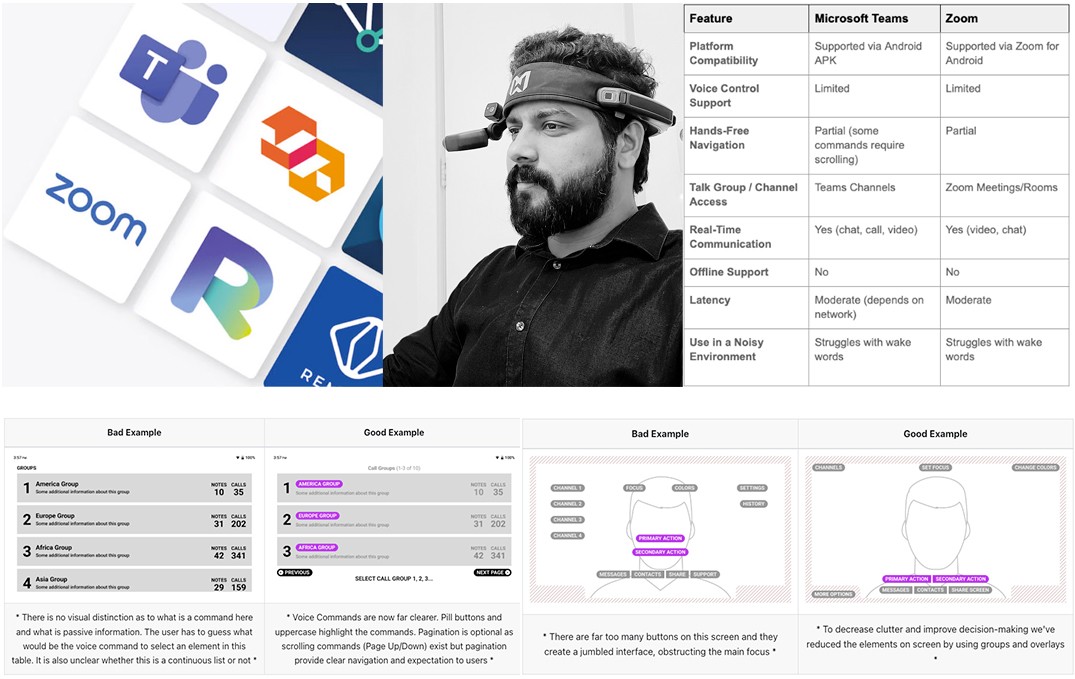
Competitive analysis and Voice User Interface (VUI) testing
To understand how existing communication tools like Microsoft Teams and Zoom function on RealWear head-mounted devices, assess their usability, and identify opportunities for improving the RealWear Push-to-Talk (PTT) app.
RealWear Navigator 500 used for testing.
Apps installed via RealWear Explorer or APK side-loading where applicable.
Standard field test scenarios simulated (checking in, joining meetings, responding hands-free).
Voice command recognition tested under typical field conditions (moderate noise, gloves on, no touch interaction).
Design Process